Mid-Week Intermission Artist Edition: Tamir Kalifa, Photojournalist and Musician
Scrolling past heavy, complex headlines each day can make stories blur together. With a fast-paced news cycle where tragedy becomes routine, it’s easy to forget that each headline represents real people.
Photojournalist Tamir Kalifa has spent years working close to those moments, witnessing the human impact beyond the articles. Through compassionate visual storytelling, his work asks us to pause, look closer, and remember the people at the heart of the story.
Witness brings together Kalifa’s photography and original music in a powerful multimedia experience. Centered around some of the major news events of the past decade, including the aftermath of the Robb Elementary School shooting in Uvalde, Texas, the project invites audiences to sit with these stories as lived experiences, rather than headlines. Read on for our conversation with Tamir, and to learn more about his upcoming performance at the Long Center on January 23.
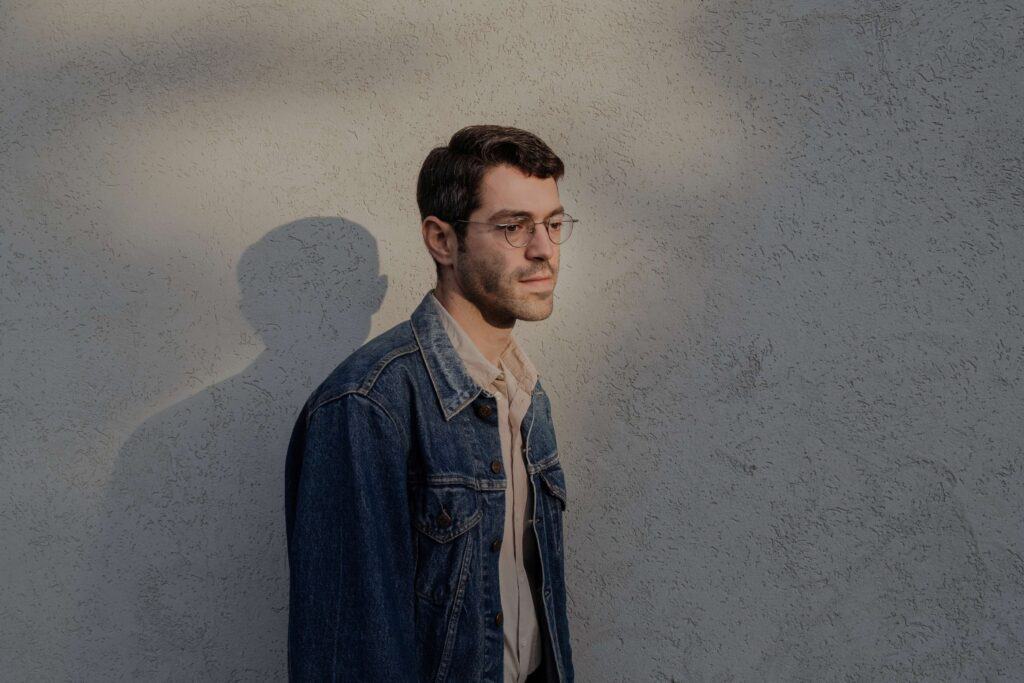
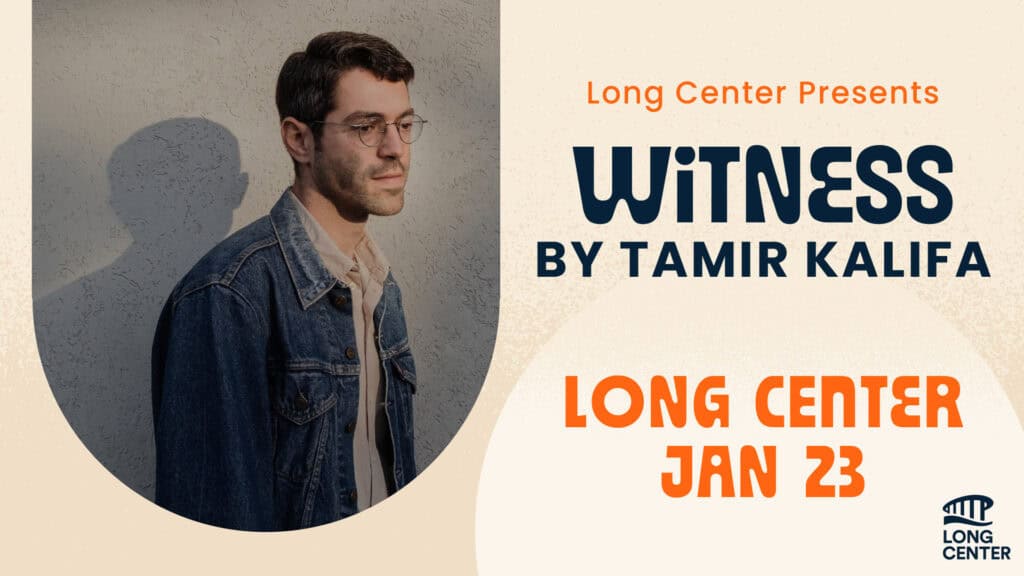
☝️ This is Tamir - Photo by Amit Elkayam
Long Center: Welcome to Mid-Week Intermission! We usually like to ask folks for a song to go with their interview – anything come to mind? Maybe a song off Witness?
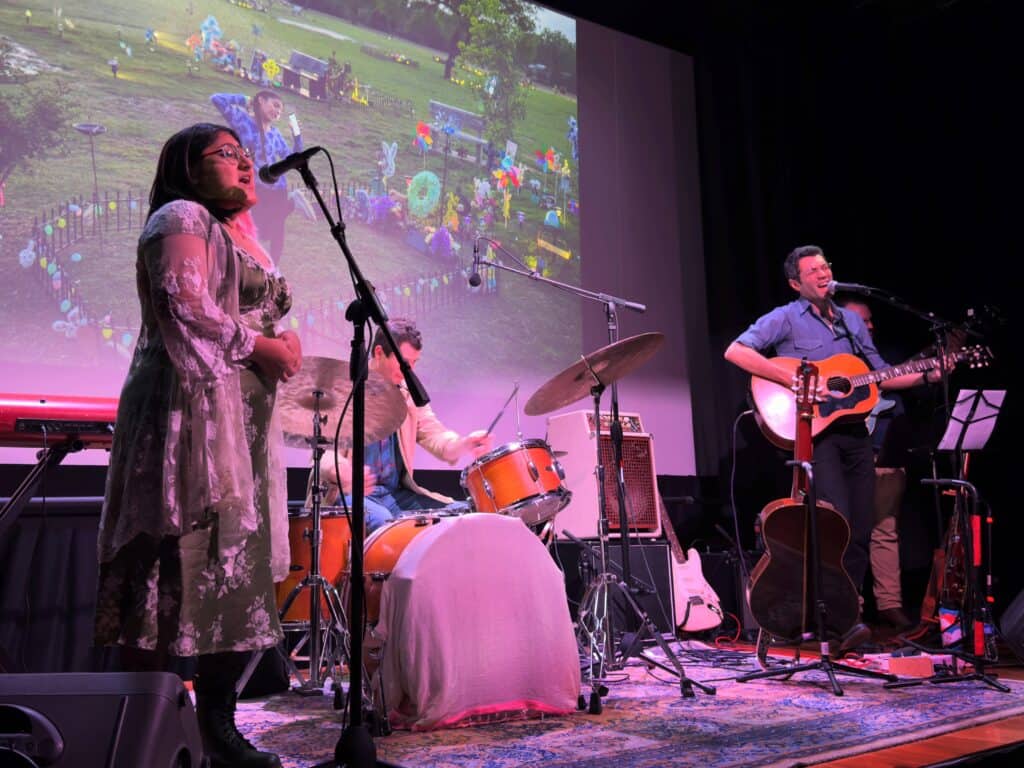
Tamir Kalifa: I’m choosing the song “Jackie’s Rock,” written about being asked by the family of Jackie Cazares, who was killed in the Robb Elementary School shooting in Uvalde, to take a painted rock to Paris, France, in her honor in 2022. The simple request became one of the most meaningful experiences of my career. Jackie’s family joined me in the studio when we recorded the song and Jazmin, Jackie’s older sister and a gifted singer, sang harmonies.
Tamir Kalifa and Jazmin Cazares performing together. Photo by Sam Owens
LC: We’re so excited about your upcoming show at the Long Center. Can you share a little about yourself for our readers who might be unfamiliar?
Tamir Kalifa: I’m a longtime Austin photojournalist and musician. I’ve been photographing around Texas, the U.S. and internationally for The New York Times, Texas Monthly and others for over a decade – all while playing music in Austin bands. My career has taken me from documenting hurricanes, gun violence and politics in America to covering the Israeli-Palestinian conflict. In between assignments and projects, I also played accordion, piano and guitar in the orchestral indie-rock ensemble Mother Falcon and toured with them for years. This new project, Witness, is the first time I’ve brought my photographs and music together.
LC: How did you get into photojournalism, specifically covering sensitive subjects impacting individuals and communities?
Tamir Kalifa: My path into photojournalism started early. My father was a video cameraman for CNN when I was growing up in Kensington, Maryland, in the 1990s. I remember watching the nightly news with him and feeling a sense of awe as the President of the United States spoke directly into my dad’s camera from the Oval Office. I loved history, and his work placed him inside the rooms where it was being made. He inspired me to pick up a camera at a young age and I never put it down.
I came to see photojournalism as both a way to experience history as it unfolds and a means of holding truth to power. Over time, as I covered more stories, I realized they felt more resonant when there was intimacy in the images — when viewers could recognize part of themselves in the lives of those depicted. I also began to notice a theme emerging from the most difficult assignments: when people are pushed to their limits, they can reveal an extraordinary resilience. I’ve tried my best to sensitively document individuals and communities facing the great issues of our time with the hope that compassionate visual storytelling can help foster an understanding and emotional engagement needed to move people toward action.
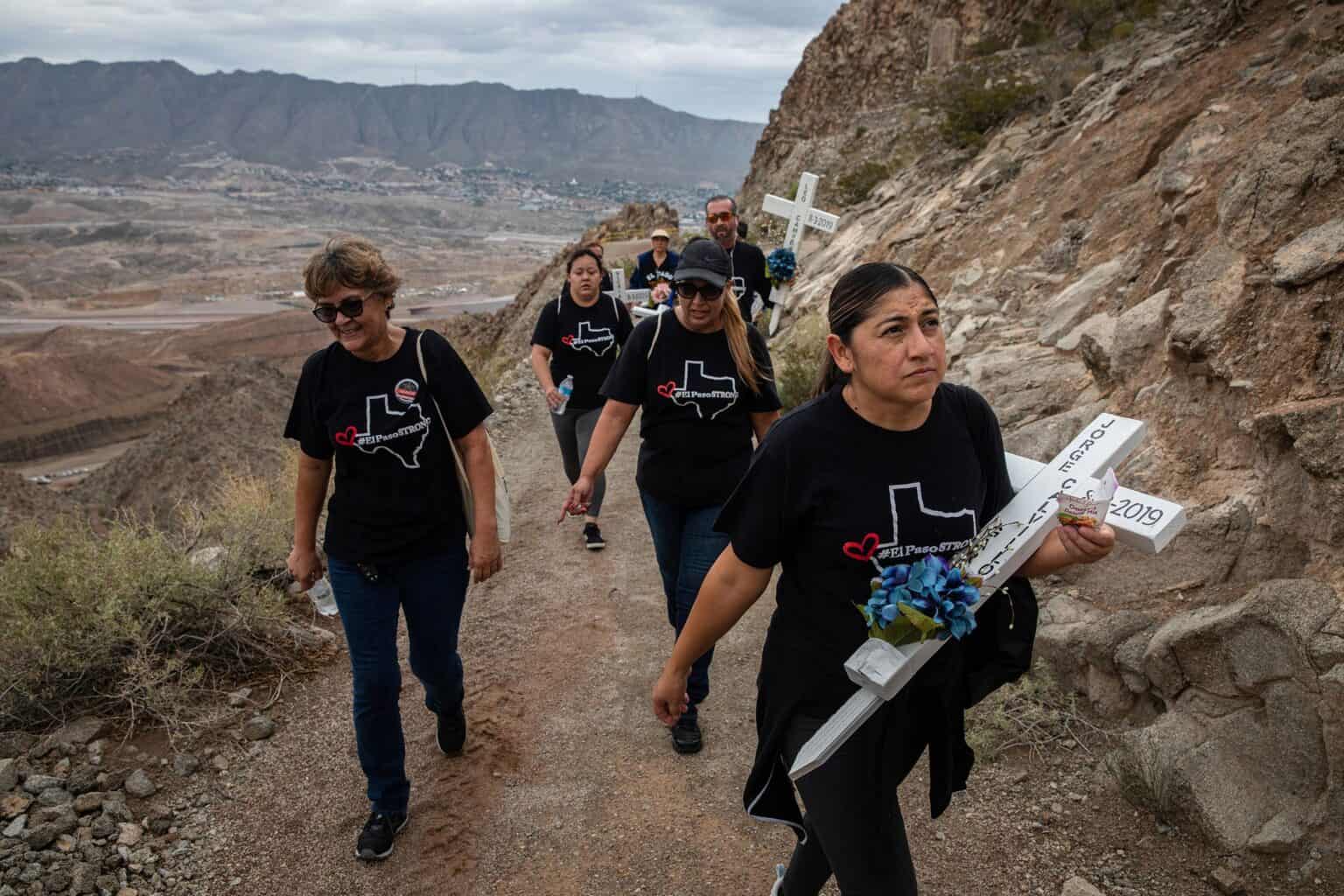
Marcela Martínez, members of her family, friends, and others make their way up Mount Cristo Rey in Sunland Park, New Mexico, carrying crosses honoring the 23 victims of the El Paso Walmart shooting, on Sept. 15, 2019. Marcela’s husband Luis survived being shot five times during the attack and his father, Jorge Calvillo Garcia, was among the victims. Photo by Tamir Kalifa.
LC: Witness, your latest project, is a multimedia endeavor that combines your journalism with your music. What inspired this project and why did you feel it was important to pursue?
Tamir Kalifa: Music has been a constant companion throughout my life and writing songs about my experiences behind the camera became a way for me to process some of the most difficult moments I encountered. Over time, I began to feel frustrated by the unrelenting news cycle and how quickly stories can be consumed and forgotten. I wanted to create a space where these stories, some of them years old, could linger and resonate longer, grounded in the humanity that made them urgent in the first place.
Witness grew out of that. I wrote songs inspired by covering the Texas–Mexico border, the Pandemic, the El Paso shooting, natural disasters, and the families I came to know in the aftermath of the shooting at Robb Elementary in Uvalde. It is easy to scroll past difficult headlines or avoid uncomfortable realities out of fatigue, fear, or numbness — I’m certainly guilty of that myself. Still, I believe art can help offer a way through, not by providing answers, but by opening hearts, encouraging empathy, and reminding us of how much we have in common.
I feel a sense of purpose and a profound responsibility in pursuing this work. I’m also immensely grateful to the individuals whose trust allowed me to witness some of the most difficult days of their lives. This project is, in part, a way to honor that trust and pay that gratitude forward by introducing audiences to these remarkable people.
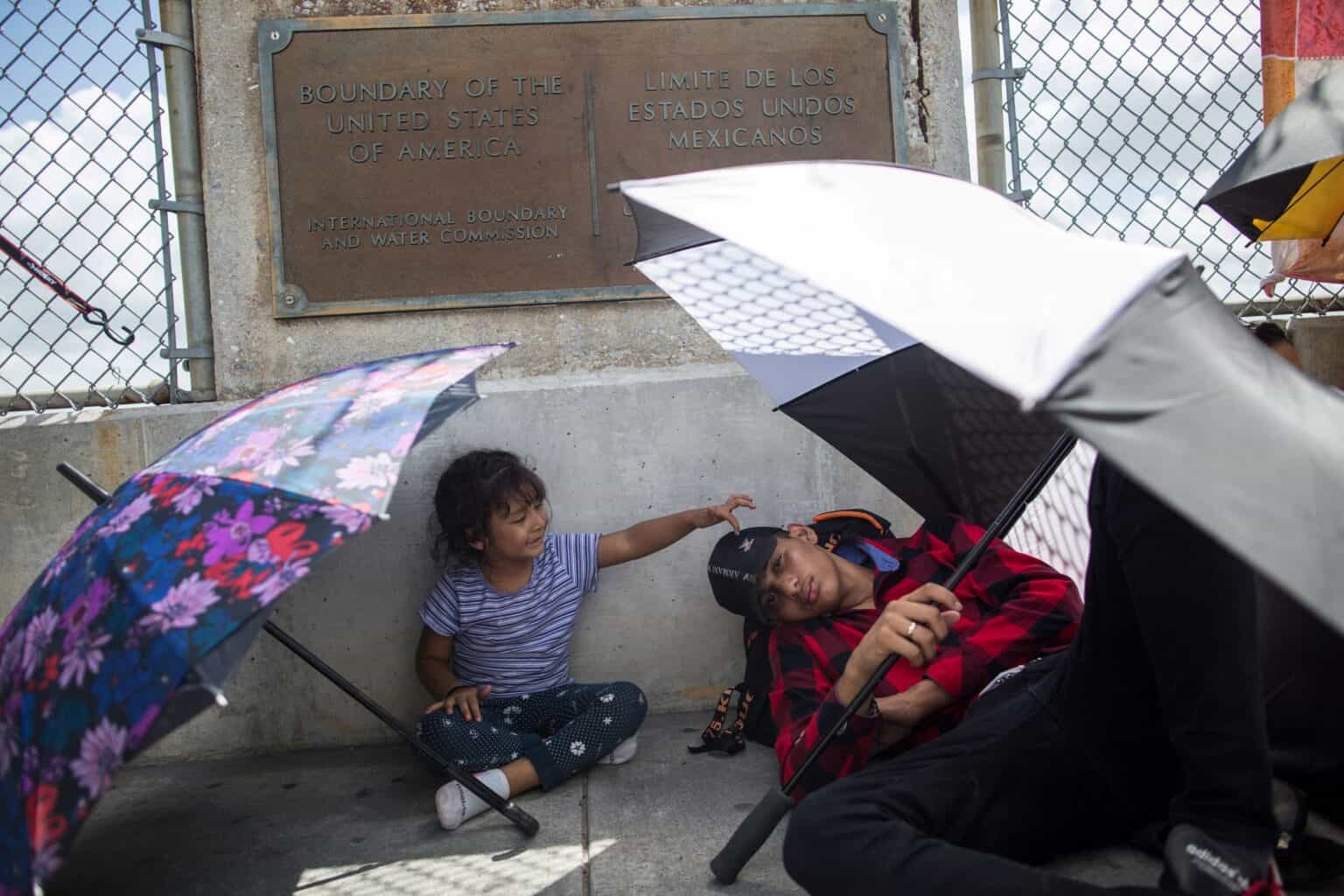
Siblings from Honduras wait with their family on the Mexican side of the bridge between Brownsville, Texas, and Matamoros, Mexico, hoping to be allowed entry into the United States to seek asylum on June 26, 2018. Photo by Tamir Kalifa.
LC: You’ve covered some pretty historic events, from natural disasters, global conflicts, and political campaigns. Is there a moment from your travels across the world that really struck you, or stands out as a career highlight (so far)?
Tamir Kalifa: Documenting Uvalde in the wake of the shooting has been the most formative experience of my career. What started as a breaking news assignment – one I reluctantly accepted – has evolved into a life-long project and commitment to the community that I have grown to care deeply for. I went to Uvalde because I had covered gun violence in the past and wanted to create a depiction of mass shootings that went beyond the familiar rituals of mourning in America, one that visualized grief, and the issue of gun violence, with care, compassion and patience.
As I attended school board meetings, protests, barbecues, graveside birthdays and more, I was moved by the quiet, ordinary courage the families demonstrated each day as they navigated the wilderness of grief. I lived in Uvalde full-time from March to May 2023 so I could be fully present and not miss these moments, which led to some of the most meaningful photographs of the project. While I have since taken on other assignments, Uvalde is a place I regularly return to. Witness, and the songs I wrote about Uvalde, are a continuation of my commitment to honoring the families and the memory of their loved ones.
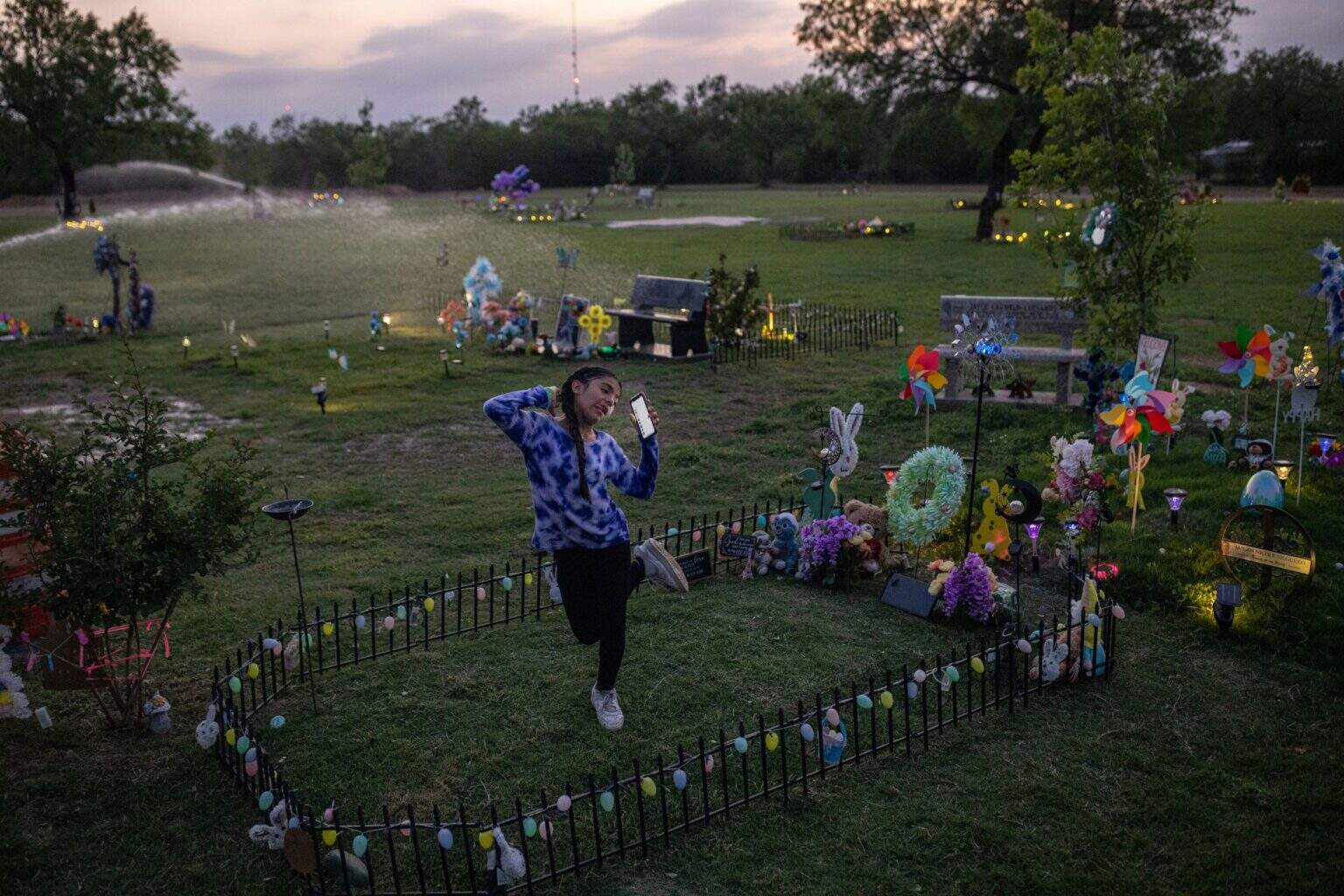
Caitlyne Gonzales, who lost many of her friends in the shooting at Robb Elementary, sings and dances to Taylor Swift songs at Jackie Cazares’ grave in Uvalde, Texas, on April 19, 2023. Jackie loved animals, wanted to be a veterinarian and dreamed of one day visiting Paris. Photo by Tamir Kalifa.
LC: What’s something that you hope the audience might take away from Witness?
Tamir Kalifa: I hope Witness inspires audiences to reflect more deeply on what connects us as humans and what responsibilities we have to one another. I often return to something my former UT photojournalism professor Donna DeCesare once said to me, which I incorporated into the final lyrics of the album: “Pictures don’t change a thing, people do.”
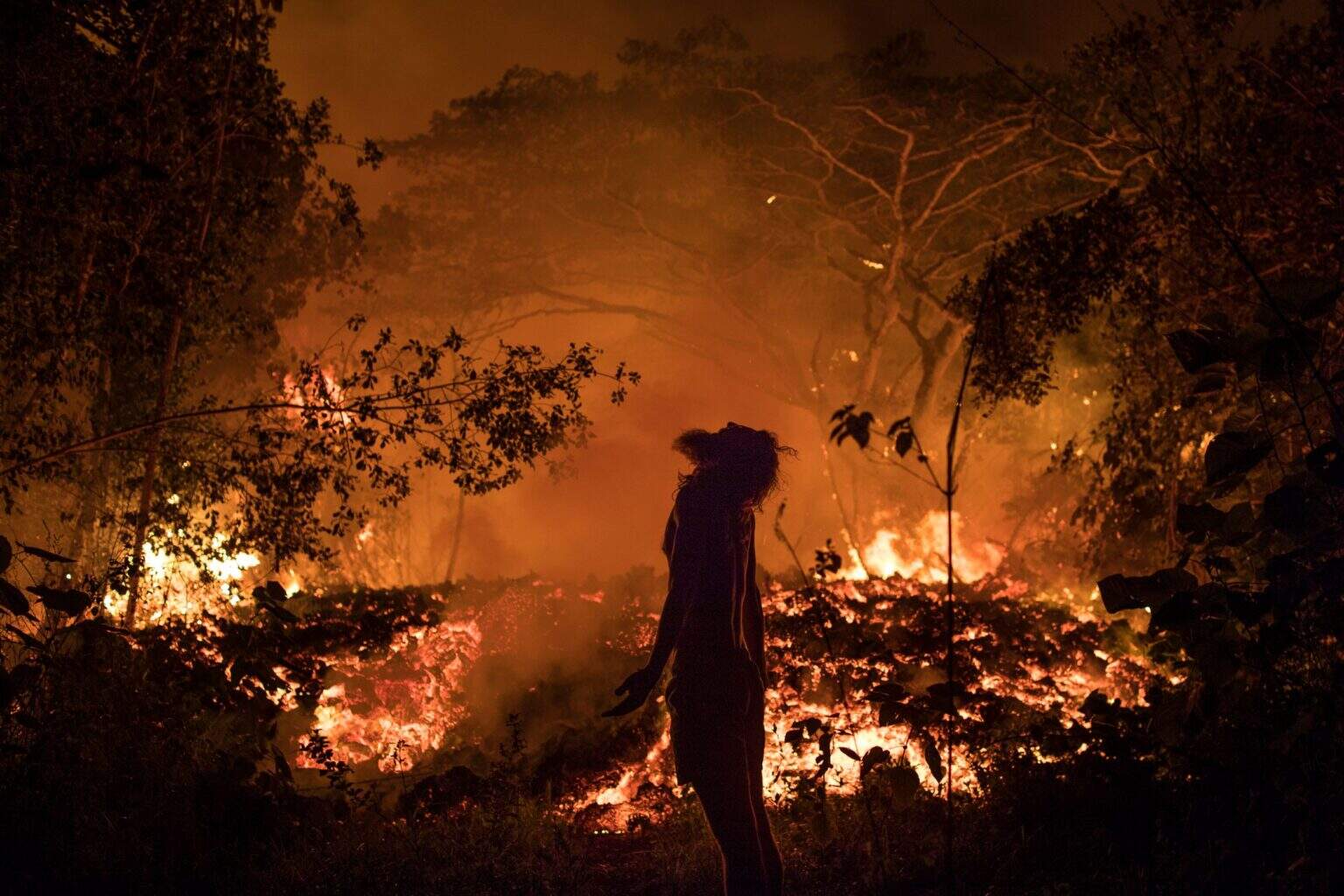
Richard Schott reacts to seeing lava from the Kilauea volcano eruption up close as it flows through the Malama-Ki Forest Reserve on Hawaii’s Big Island on May 19, 2018. Photo by Tamir Kalifa.
LC: Anything you want to tease about your upcoming show in Austin on January 23?
Tamir Kalifa: One of the most meaningful parts of developing the performance of Witness is that I’ve done it in collaboration with Jazmin Cazares, Jackie’s older sister. She is a gifted singer and has become an integral part of the performance, singing not only on “Jackie’s Rock,” the song about her sister, but on other songs as well. I’m in awe of her talent and stage presence, but also her resilience and the way she and her family honor Jackie with every breath.
At the Long Center, we’ve always got a new partnership or something cool we know you’ll want to check out! Find and follow us @longcenter on your social media platform of choice, and we’ll see you real soon.
We need YOUR HELP to make The Drop-In a finalist for the Levitt Music Series Grant!
Your vote could help secure up to $120,000 in matching grant funds that will keep Austin’s favorite free summer concert series alive, thriving, and grooving for the next 3 years. Every voice counts, and with your support, we can keep bringing unforgettable music and community vibes to the Long Center lawn.
Let’s make The Drop-In a Levitt finalist together! Text AUSTIN to 877.409.5525 OR vote below!
Amplify Austin Day has officially started — help us reach our goal of $20,000 raised so that more students can access more art, free from barriers, through our Long Reach for the Arts program.
Here at the Long Center, we believe that creativity is the center of community. That’s why we’re proud to be Austin’s go-to spot for countless interests that bring the community together. Your donation to the Long Center this season doesn’t just support this work, it celebrates it!
We’re not just about moments like these… we’re also a nonprofit dedicated to supporting the creativity they create! On this Giving Tuesday, we want to thank you for all the support you’ve given the Long Center in 2024. Your year-end gift today will help us do even more in 2025!
Go all out — take advantage of our Black Friday sale NOW by getting a Friend Level Membership for only $95! These year-round benefits usually start at $120.
Your Support Today, Transforms Tomorrow
We’ve made it our mission to support creativity in all its forms, and we hope this season you’ll join us and do the same. Your donation doesn’t just support our work, it’s a declaration that creativity belongs to everyone.
Become a LC member today and and get first dibs on RSVP before the public, early entrance into the venue for you and your guests, members-only bars, and other surprises!
Amplify Austin is here – and we need your help to provide free arts experiences for K-12 students through our Long Reach for the Arts program. Because the kids need art!